Book a call

Insights for inventory businesses

What we learn fixing Cin7, QuickBooks and the financial operations underneath growing inventory businesses.

259 articles // page 9 of 22

Fishbowl vs. Cin7 Core part 3: Integration ecosystems & API capabilities
Systems and Software

Fishbowl vs. Cin7 Core part 3: Integration ecosystems & API capabilities

Part 3 of the comparison between Fishbowl and Cin7 Core dives into integration ecosystems and API strength. Fishbowl offers a broad but legacy-style integration library, especially suited for QuickBooks Desktop and EDI-heavy businesses, relying on scheduled syncs and consultant setups. Cin7 Core, in contrast, is a cloud-native platform with real-time syncs, webhook-ready APIs, and plug-and-play links to Shopify, Amazon, Xero, ShipStation, and more, ideal for fast-moving, multi-channel brands. The key difference: Fishbowl favors depth in legacy environments; Cin7 Core excels in modern, API-driven workflows.

Pierre Goldie3 min read
Fishbowl vs. Cin7 Core part 4: cost of ownership & ROI (2025 edition)
Systems and Software

Fishbowl vs. Cin7 Core part 4: cost of ownership & ROI (2025 edition)

Part 4 breaks down the true cost of inventory management systems, comparing Fishbowl pricing 2025 with Cin7 Core pricing. It covers licensing models (perpetual vs SaaS), implementation fees, infrastructure, support, and 5-year total cost of ownership (TCO). Key takeaway: Fishbowl offers long-term savings for stable, on-prem teams, while Cin7 Core delivers faster ROI and scalability for growing, multi-channel brands. The guide includes real-world ROI scenarios and breakeven timelines, helping businesses choose the IMS that best fits their growth and cash flow strategy.

Pierre Goldie3 min read

Fishbowl vs. Cin7 Core part 5: implementation roadmap & best practices
Systems and Software

Fishbowl vs. Cin7 Core part 5: implementation roadmap & best practices

Part 5 offers a step-by-step guide to successfully rolling out Fishbowl or Cin7 Core inventory systems. It outlines six essential phases, from discovery to go-live, and highlights typical project timelines (12–16 weeks for Fishbowl, 8–12 weeks for Cin7 Core). The blog covers key best practices in data migration, integration testing, user training, and change management, while also flagging common pitfalls like dirty SKUs and misaligned QuickBooks fields. Whether you're a small e-commerce brand or a large-scale manufacturer, this roadmap helps ensure your IMS rollout stays on time, on budget, and delivers real ROI.

Pierre Goldie2 min read

Fishbowl Vs Cin7 Core part 2: user experience: interface, usability, and workflow Efficiency
Systems and Software

Fishbowl Vs Cin7 Core part 2: user experience: interface, usability, and workflow Efficiency

In part 2 of this deep-dive comparison, we explore how Fishbowl and Cin7 Core (formerly DEAR) stack up in real-world usability, interface design, and workflow efficiency for mid-market food & beverage businesses. Fishbowl delivers robust, module-driven power but retains a legacy feel that demands more user training. Cin7 Core, by contrast, offers a clean, modern UI that’s easier to learn, fully cloud-native, and built for fast onboarding across teams. From dashboards to mobile apps, navigation to purchase workflows, the verdict is clear: for teams that prioritize intuitive UX and remote accessibility, Cin7 Core leads on user experience - while Fishbowl suits those needing deep customization and hands-on control.

Pierre Goldie3 min read

Fishbowl Vs Cin7 Core part 1: Foundational differences – vision, architecture, and core capabilities
Systems and Software

Fishbowl Vs Cin7 Core part 1: Foundational differences – vision, architecture, and core capabilities

Fishbowl and Cin7 Core (formerly DEAR) are popular inventory and manufacturing platforms, but they cater to different business needs. Fishbowl is a legacy, on-premise solution primarily built as a QuickBooks add-on for U.S.-based manufacturers, offering strong internal inventory and production control with a one-time licensing option. Cin7 Core, conversely, is a modern, cloud-native "mini-ERP" designed for fast-scaling, multi-channel businesses, emphasizing seamless integration with e-commerce, advanced manufacturing capabilities, and a subscription-based model. The article concludes that Cin7 Core is generally more future-proof for businesses seeking agility, scalability, and broad integration in a modern, cloud environment, while Fishbowl remains a solid choice for those deeply committed to QuickBooks and on-premise control.

Pierre Goldie4 min read

How to reconcile Cin7 and Xero: a step-by-step guide
Systems and SoftwareTutorials

How to reconcile Cin7 and Xero: a step-by-step guide

Struggling to reconcile Cin7 and Xero? This step-by-step guide walks you through syncing these two systems, clarifying transaction triggers, setting proper lock dates, and running a clean month-end close. Learn how to fix misalignments in sales, purchases, COGS, and inventory without relying on messy manual journals. Download checklists and tools to streamline your process and finally get your books in sync.

Jaco Roets5 min read

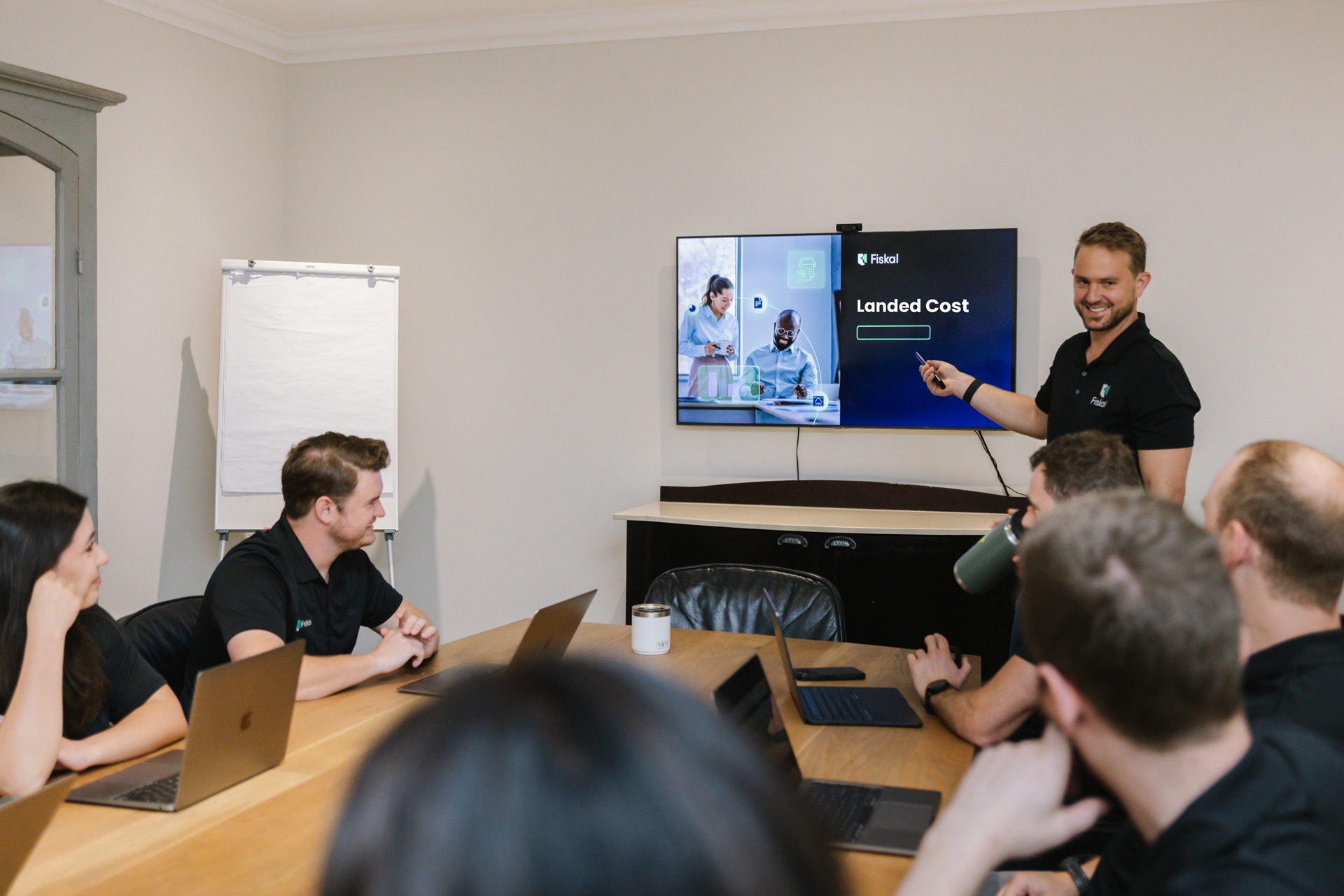
The most overlooked metric in inventory: landed cost explained
Systems and Software

The most overlooked metric in inventory: landed cost explained

Are your margins lying to you? If you’re not fully tracking landed cost in Cin7, they might be. This guide breaks down why landed cost, often ignored, is the hidden margin killer in inventory-based businesses. Learn what it includes, how Cin7’s built-in tools are commonly underused, and how to implement it properly to avoid inflated margins, inaccurate COGS, and costly surprises. Discover the step-by-step playbook Fiskal uses to turn guesswork into clarity, and spreadsheets into confident decision-making.

Pierre Goldie3 min read

ERP Go-Live Is not the finish line - It’s the first warning sign
Systems and Software3PL

ERP Go-Live Is not the finish line - It’s the first warning sign

Most product businesses breathe a sigh of relief when they hit “go-live” on their ERP. The software is live. The project is “done.” Everyone pats themselves on the back. Except… six months later, finance still can’t get clean data. Sales is logging orders manually. Operations has three different reorder systems. And nobody, nobody, trusts the numbers. Sound familiar? That’s because ERP implementation ≠ ERP adoption.

Jaco Roets2 min read

Mastering Your Cin7 Core: A Deep Dive into General Settings
Tutorials

Mastering Your Cin7 Core: A Deep Dive into General Settings

This comprehensive guide walks you through Cin7 Core’s general settings—the essential configuration hub for accurate inventory, sales, purchasing, and financial workflows. Learn how to properly set up company info, tax rules, security measures, process customizations, and integrations to ensure smooth operations and reliable data. Whether you’re fine-tuning financial year-end dates, enabling GRNI, or customizing document numbers, this tutorial empowers you to tailor Cin7 Core to your business for peak performance.

Juandré Nortier2 min read